

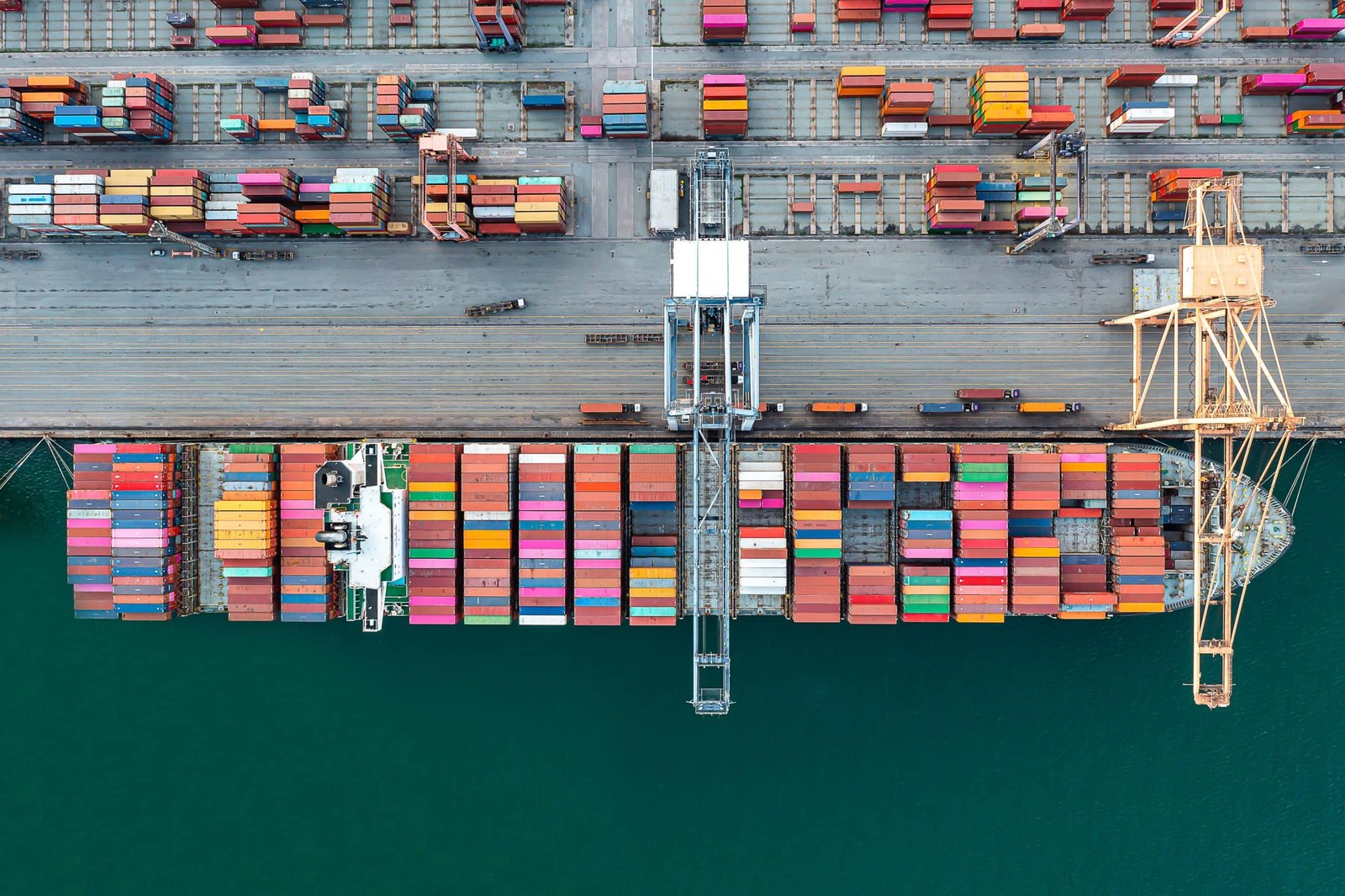
Bahrain Import Clearance UAE
Importing goods from the United Arab Emirates (UAE) into Bahrain requires a robust understanding of Bahrain customs clearance, duties, and documentation. Whether you are a business importing merchandise or a private individual receiving a package, knowing the clearance steps helps prevent delays, extra costs, and legal issues. In this article, we explore the key elements of UAE to Bahrain imports and how to navigate them effectively.
Key Documentation for Import
To begin with, certain documents are essential for smooth clearance, and proper import documentation in Bahrain is necessary to ensure your shipment is processed without delays.
-
Packing List: Two copies detailing weight, packaging, and classification of each item.
-
Certificate of Origin: Original certificate issued by the relevant Chamber of Commerce, proving the goods came from the UAE.
-
Import Permit or Approvals: Necessary if the goods fall under restricted or controlled categories.
Moreover, if you are importing food or perishable goods, you may also need a health certificate confirming safety standards. Having all documentation ready beforehand can significantly reduce delays and complications at customs.
Customs Duties and VAT
In Bahrain, the standard customs duty rate generally ranges between 0% and 5%, depending on the product’s classification. Additionally, Value Added Tax (VAT) must be paid at import. It is important to note that some goods may be exempt or zero-rated, depending on their type. Therefore, understanding Bahrain customs clearance and ensuring correct classification can help avoid overpayment or fines.
Clearance Process: Step by Step
Here is a simplified, step-by-step outline of the import clearance process for goods coming from the UAE into Bahrain:
Declaration Submission
First, the customs declaration is submitted electronically through the eCAS system by either the importer or a licensed clearing agent.
Document Verification
Next, customs officers review all submitted documentation including invoices, packing lists, certificates of origin, and permits to ensure accuracy and legitimacy. This step is crucial for smooth import documentation Bahrain compliance.
Risk Assessment and Inspection
Depending on the nature, value, or risk profile of the goods, customs may decide to physically inspect the cargo.
Cargo Release
Finally, after payments are confirmed and inspections, if any, are complete, the port operator releases the goods. The importer or their agent then arranges transport from the customs point to the final destination. Efficient handling here is key for any UAE to Bahrain imports.
Choosing a Licensed Clearing Agent
It is often wise to work with a licensed customs clearing agent. In addition, a clearing agent can act on your behalf to:
-
Submit the import declaration
-
Provide necessary permission letters to customs
-
Handle payments and correspondence
-
Coordinate with the shipping lines or port operators
Because of their experience, agents can often expedite the process and minimize the risk of costly delays or mistakes.
Recent Developments and Duty Exemptions
Bahrain has made some strategic changes in customs policy. Notably, the government now allows local factories to import certain raw materials duty-free under specific conditions. This move, as part of a broader push to boost the competitiveness of Bahraini industry, reduces reliance on imports for manufacturing inputs.
Furthermore, there are diplomatic exemptions and duty reliefs for returning personal belongings or household effects under certain situations.
Common Pitfalls and How to Avoid Them
While importing from the UAE to Bahrain, several common challenges may arise. Therefore, it is crucial to be aware of these potential pitfalls:
-
Incorrect or incomplete documentation: Always double-check invoices, packing lists, and certificates of origin. A mismatch in HS codes or missing documents can delay clearance. Proper import documentation Bahrain is essential.
-
Poor classification: Goods misclassified under the Harmonized System (HS) may attract higher duties or inspection. Bahrain uses the standard HS system, so accurate classification is essential.
-
Underestimating inspection risks: High-value goods or regulated items might trigger physical inspections. Planning for extra time can prevent unexpected delays.
-
Using an unlicensed agent: Only licensed clearing agents can legally submit declarations, so working with an unauthorized agent can result in serious complications.
By carefully following these steps and taking preventive measures, importers can ensure a smooth and efficient Bahrain customs clearance process for all UAE to Bahrain imports.