

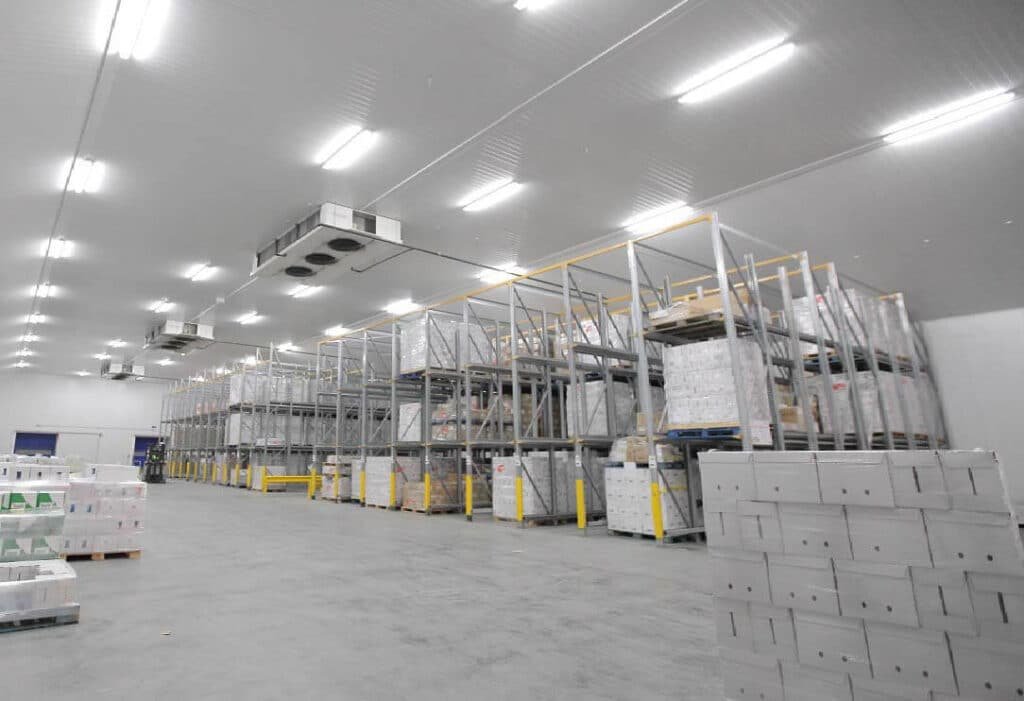
Cold Storage Warehouse UAE | Reliable Temperature Controlled Storage Solutions
Finding a trustworthy cold storage warehouse in the UAE is becoming increasingly important for businesses that rely on freshness, safety, and timely delivery. Moreover, because the UAE is a global trade hub, companies in food, pharmaceuticals, cosmetics, and beverages need efficient temperature controlled storage that protects inventory and supports smooth logistics. Fortunately, the UAE offers modern cold storage facilities that meet international standards while providing cost effective and secure solutions. In addition, this detailed guide explains everything about cold storage warehouses in the UAE, including their features, benefits, industries served, and tips for choosing the right facility.
Why Cold Storage Warehouses Matter in the UAE
The UAE has extremely high temperatures throughout most of the year. As a result, maintaining product integrity becomes a major challenge for businesses that handle temperature sensitive goods. Cold storage warehouses help companies protect their inventory from spoilage, contamination, or temperature damage. Furthermore, the rising demand for frozen foods, imported products, vaccines, and FMCG items makes temperature controlled warehousing an essential part of the supply chain.
Additionally, because the UAE connects Asia, Europe, and Africa, the need for reliable storage that ensures export and re export quality has increased significantly. Therefore, businesses now look for facilities that offer advanced monitoring systems, smooth inventory handling, and value added services that simplify operations.
Types of Cold Storage Facilities Available in UAE
Cold storage warehouses in the UAE come in different types, each designed for specific industries and temperature requirements. Consequently, understanding these categories can help businesses make better decisions. Moreover, selecting the right type ensures product safety and long term cost savings.
Chilled Storage
This type of facility maintains temperatures between 2 to 8 degrees Celsius. It is ideal for fresh fruits, vegetables, dairy products, beverages, and pharmaceutical items that must stay cool but not fully frozen. Because chilled storage is widely used in food distribution, it remains one of the most demanded categories in the UAE. Additionally, its versatility makes it suitable for both small and large scale businesses.
Frozen Storage
Frozen storage units maintain temperatures as low as minus 18 degrees Celsius. These warehouses are used for meat, seafood, ready to cook foods, desserts, ice cream, and frozen vegetables. Since frozen goods require long shelf life, advanced insulation and consistent temperature management are essential. Furthermore, frozen storage plays a vital role in supporting import and export businesses within the region.
Ultra Cold Storage
These units support extremely low temperatures, often used for medical supplies, specialized medicines, and laboratory materials. Due to the sensitive nature of these items, warehouses must follow international safety and hygiene standards. Additionally, robust quality control systems ensure that products remain stable throughout the storage period.
Controlled Atmosphere Storage
Some warehouses offer humidity control, ventilation control, and air quality adjustment. These features are particularly useful for fresh produce, flowers, and premium food products that require both temperature and moisture stability. Moreover, controlled atmosphere storage helps extend the shelf life of delicate goods.
Key Features of Modern Cold Storage Warehouses in the UAE
Today’s UAE cold storage facilities are designed to support operational efficiency, safety, and regulatory compliance. For this reason, businesses prefer warehouses that include the following features. Additionally, these features enhance productivity and reduce overall risks.
1. Real Time Temperature Monitoring
Facilities use digital sensors and automated systems to track temperature twenty four hours a day. This helps prevent any change that could damage stored goods. Moreover, businesses often receive alerts when temperatures fluctuate unexpectedly. As a result, product integrity is preserved at all times.
2. Advanced Security Systems
Warehouses are equipped with CCTV cameras, access control gates, regular inspections, and on site security staff. This ensures that high value or sensitive items remain protected at all times. Additionally, strict access policies help reduce theft and unauthorized entry.
3. Hygienic and Food Grade Infrastructure
Proper cleaning, flooring, and storage racks help maintain hygiene. Many warehouses follow HACCP or ISO standards to maintain global quality expectations. Additionally, trained staff ensures that products are handled safely and professionally. As a result, businesses can rely on consistent quality control.
4. Flexible Storage Options
Businesses can choose monthly storage plans, short term rentals, or long term warehousing based on their needs. As a result, this flexibility supports seasonal businesses and companies with fluctuating demand. Furthermore, such adaptability allows companies to scale operations easily.
5. Inventory Management and Reporting
Many UAE warehouses offer digital inventory tracking that helps businesses check stock levels, expiry dates, and batch information. Consequently, this strengthens supply chain planning and reduces wastage. In addition, automated reporting improves transparency and decision making.
6. Value Added Services
Some cold storage providers offer repackaging, labeling, palletizing, and distribution support. This makes it easier for companies to prepare goods for retail or export without delay. Moreover, integrated services help reduce external costs and streamline operations.
Industries That Benefit from Cold Storage in the UAE
Cold storage warehouses support a wide range of businesses. Because the UAE imports a large percentage of food and medical goods, many sectors rely on temperature controlled warehousing for smooth operations. Additionally, demand continues to grow as consumer expectations increase.
Food and Beverage Industry
Restaurants, supermarkets, wholesalers, and distributors use cold storage to maintain product quality. From seafood to dairy items, these facilities ensure that food reaches consumers safely and efficiently. Moreover, proper preservation helps reduce waste and improve shelf life.
Pharmaceutical Industry
Medicines, vaccines, and laboratory materials require strict temperature monitoring. Therefore, cold storage facilities help maintain compliance with health regulations and product safety guidelines. Additionally, accurate climate control ensures that sensitive goods do not lose their effectiveness.
Cosmetics and Beauty Products
Certain cosmetics can melt or lose effectiveness in high temperatures. Consequently, cold storage helps protect these products from heat damage. Additionally, controlled conditions maintain product texture and quality.
Agriculture and Fresh Produce
Imported fruits, vegetables, and flowers remain fresh through chilled storage environments, allowing businesses to deliver premium quality to customers. Furthermore, controlled conditions help preserve color, texture, and nutrients.
Ecommerce and Retail
As the ecommerce market continues to grow, more companies need cold storage support to deliver products quickly. Consequently, temperature controlled warehousing has become essential for online grocery and specialty food platforms. Additionally, storage efficiency leads to faster delivery times.
How to Choose the Best Cold Storage Warehouse in the UAE
Selecting the right facility is essential for smooth operations. With that in mind, here are key points to consider. Furthermore, evaluating these criteria helps businesses avoid costly mistakes.
1. Temperature Accuracy and Backup Systems
Always choose a warehouse with backup generators and emergency power to prevent spoilage. Additionally, make sure the facility performs regular system checks.
2. Location and Accessibility
Warehouses near ports, airports, and highways ensure faster distribution, which improves supply chain efficiency. Moreover, accessible locations reduce fuel costs and delivery delays.
3. Industry Certifications
Check for HACCP, ISO, and Dubai Municipality approvals, since these certifications reflect quality and compliance. Additionally, certified facilities are more likely to follow international standards.
4. Customer Support and Reporting
Reliable communication and timely reporting improve business performance and reduce operational risks. Moreover, responsive customer service helps resolve issues quickly.
5. Transparent Pricing
Look for clear pricing without hidden charges so that cost planning becomes easier and more predictable. Additionally, transparent pricing builds trust and long term partnerships.