Customs Clearance Documents UAE:
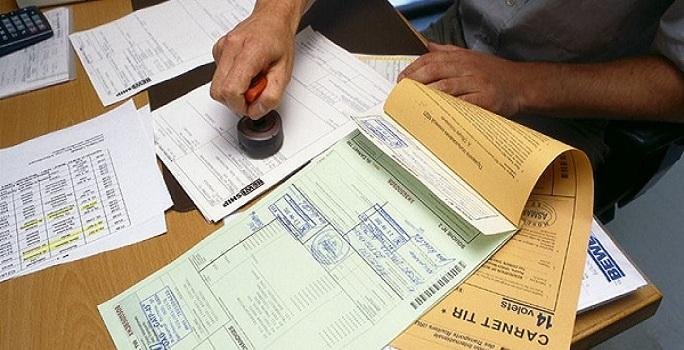
Customs clearance is one of the most important steps when moving goods in and out of the United Arab Emirates. Whether you are a business owner importing large shipments or an individual sending personal items, understanding customs clearance documents in the UAE makes the entire process easier, faster, and more stress free. Because the UAE is a global trade hub with strict regulations, even a small mistake in paperwork can cause delays, fines, or unexpected storage charges. This detailed guide explains the essential documents you need, why each one matters, and how you can prepare everything correctly.
Understanding Customs Clearance in the UAE
Before looking at the required documents, it is helpful to understand how customs clearance works and learn about UAE import export procedures. Although each emirate operates independently, they follow a unified federal customs law. This means the document requirements are almost the same nationwide.
Moreover, the UAE uses advanced digital systems like Dubai Trade and Mirsal 2, which help speed up the clearance process. However, even with digital systems, the accuracy of your documents remains extremely important. Therefore, anyone importing or exporting goods should prepare the necessary paperwork before shipments arrive at the port or airport.
Essential Customs Clearance Documents in the UAE
1. Commercial Invoice
The commercial invoice is one of the most important customs documents. It includes information such as the description of goods, quantity, value, country of origin, and currency used. Customs authorities use this invoice to assess duties, taxes, and verify the authenticity of the shipment. Therefore, it must be accurate and detailed.
2. Packing List
The packing list explains everything included in the shipment. It includes the number of cartons, weights, measurements, and item details. While the commercial invoice mentions the value, the packing list focuses on the physical overview of the shipment. As a result, customs officers can compare physical items with the information written in the document.
3. Certificate of Origin
A certificate of origin identifies the country where the product was manufactured. Many countries receive reduced customs duty under trade agreements, and this document helps confirm eligibility. In the UAE, this certificate must be stamped by the Chamber of Commerce in the exporter’s country. Without it, clearance may be delayed or duty may be charged at a higher rate.
4. Bill of Lading or Airway Bill
For sea shipments, the Bill of Lading is required. For air shipments, an Airway Bill is needed. These documents act as contracts between the shipper and the carrier. They contain shipment details, transport mode, and receiving party details. Additionally, customs authorities use them to verify ownership and destination of goods.
5. Import or Export Declaration
Through systems like Mirsal 2, an electronic customs declaration must be generated. It contains essential clearance information. The importer or exporter, or their cargo agent, is responsible for submitting it. This document cannot be skipped because it officially informs customs that goods are arriving or leaving.
6. Trade License Copy
Businesses importing or exporting goods must submit a trade license copy. The activity mentioned in the license should match the type of goods being moved. For example, if the company is importing electronics, the license must include electronics trading activity. If it does not match, customs may stop the shipment.
7. Emirates ID or Passport Copy (for individuals)
For personal shipments, individuals must provide identification. Moreover, this prevents fraud and ensures the shipment belongs to the correct person. For commercial shipments, the person registering the clearance must also provide their Emirates ID for authentication.
8. Delivery Order
Shipping lines or airlines release shipments through a Delivery Order. Without this document, customs will not accept the shipment for clearance. Therefore, obtaining a Delivery Order is usually the first step after the cargo arrives.
9. Special Permits (if required)
Some items require extra approvals from UAE government authorities. For example:
-
Food products require approval from Dubai Municipality.
-
Medical items require approval from the Ministry of Health.
-
Wireless equipment may require TRA approval.
Because rules change from time to time, it is better to check before shipping.
Why Accurate Customs Documents Matter
Preparing accurate documents saves time, reduces risk, and improves the overall flow of your shipment. A simple error such as a spelling mistake in the HS code or incorrect declared value can delay your cargo by days. Additionally, customs may issue fines or request re-verification. Therefore, investing time in preparing proper documents is always better than facing delays.
Tips for Fast and Smooth Customs Clearance in the UAE
To make the process even easier, consider the following tips:
-
Always double check values, quantities, and item descriptions.
-
Use correct HS codes for your products to avoid penalties.
-
Keep digital and printed copies ready.
-
Work with experienced cargo companies that understand UAE customs laws.
-
Prepare documents before the shipment arrives at the port.
With these steps, you can reduce stress and ensure the fastest possible clearance.