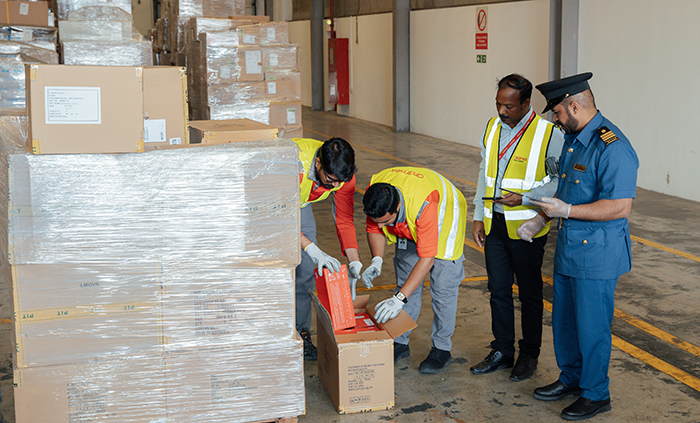


Customs Inspection UAE
Importing goods into the UAE can be a smooth and fast process, especially when you clearly understand how the customs inspection works and follow all the required steps carefully. In this post, I will guide you through everything you need to know about customs inspection in the UAE, including documentation, risk assessment, clearance, and delivery. By the end, you will have a clear understanding of the process and practical tips to avoid common delays.
1. What Is Customs Inspection in the UAE?
A customs inspection is an essential part of the import procedure. When your cargo arrives in the UAE, customs authorities may decide to physically check the shipment. This ensures that everything declared in the paperwork matches the actual goods. Consequently, this process not only guarantees compliance with UAE laws but also protects the country from illegal or restricted goods. Moreover, it confirms that all duties and taxes are applied correctly. (dubaicustoms.gov.ae)
There are different types of inspections. For instance, the green channel usually means no inspection, whereas the red channel involves physical X-ray scanning or manual checks. Typically, the selection depends on risk factors as well as the type of goods being imported. (citymooncargo.com)
2. Key Steps in the Customs Inspection Process
2.1 Registration & Declaration
first and foremost, importers must register with UAE Customs, usually through online portals like Dubai Trade. You will need a customs client code, which is required for all import/export submissions. This step is crucial because a proper registration ensures your shipment is recognized in the UAE import clearance process. (c4customs.co)
After registration, the next step is to prepare your customs declaration using systems such as e Mirsal 2. This involves submitting a detailed form that lists your goods, their value, origin, HS codes, and other essential details. By submitting this carefully, you reduce the likelihood of delays and improve your chances of a smooth UAE customs inspection. (hayabusalogistics.ae)
2.2 Preparing the Documents
One of the most common reasons shipments are flagged for inspection is incorrect or incomplete documentation. Therefore, to avoid delays, make sure you have the following:
-
A commercial invoice with accurate descriptions of goods (grandorglogistics.com)
-
A packing list specifying contents, weight, and dimensions (c4customs.co)
-
A Bill of Lading (for sea freight) or Air Waybill (for air freight) (grandorglogistics.com)
-
A Certificate of Origin, if required (hayabusalogistics.ae)
-
Any special permits for restricted or regulated goods, such as food, medicines, or chemicals (fulfilment.ae)
By ensuring all documents are complete and accurate, you can significantly minimize delays and make the process much smoother.
2.3 Inspection Risk Assessment
Once you submit your declaration, UAE Customs evaluates the risk level of your shipment. Certain factors, such as high declared value, mismatched documentation, or goods falling under sensitive categories, can trigger a physical inspection. (grandorglogistics.com)
If your cargo is selected, customs officers may:
-
Open and examine the packages physically
-
Use X-ray scanning
-
Request lab testing, especially for dangerous or regulated goods
Therefore, it is always advisable to proactively prepare all documentation and permits to avoid unnecessary delays.
2.4 Booking the Inspection
To facilitate the inspection, importers or their customs brokers usually book an inspection slot via the Dubai Trade portal. (customs-clearance-dubai.com)
For shipments via Jebel Ali Port, an additional step is required. The haulier (truck driver) needs an e-Token to access the terminal. Once the inspection is completed, hauliers must present the inspection report to port security for container exit. (u.ae)
3. Common Challenges and How to Avoid Delays
3.1 Documentation Mistakes
Mistakes such as wrong HS codes, missing certificates, or mismatched invoice values are the most common causes of delay. Therefore, always double-check your documents or work with an experienced broker. (alweamcargo.com)
3.2 Restricted or Regulated Goods
If you are importing pharmaceuticals, food, electronics, or chemicals, you may need special permissions from relevant UAE authorities. Ensuring these permits are ready before arrival helps avoid inspection holds. (jws.ae)
3.3 Poor Coordination with Hauliers
Without proper e-Token booking, containers may face delays at the port. Therefore, always coordinate closely with your transport company to avoid unexpected setbacks. (u.ae)
3.4 Under-declared Value
If customs suspects that the declared value is too low, they may hold the shipment or request proof. Consequently, be honest in your declarations to reduce inspection risk. (alweamcargo.com)
4. Best Practices for Faster Customs Inspection
-
Use a Licensed Customs Broker: Working with a professional broker helps avoid mistakes, book inspections, and classify goods correctly. (grandorglogistics.com)
-
Leverage Online Systems: Use Dubai Trade’s e-services like Mirsal 2 to submit documents, pay fees, and track inspection status. (hayabusalogistics.ae)
-
Plan for Haulier Logistics: Coordinate with your trucking company to secure an e-Token and ensure they bring the inspection report. (u.ae)
-
Maintain Accuracy: Ensure all documents match, including invoices, packing lists, and declarations.
By following these best practices, your cargo is more likely to pass through customs efficiently.
5. Why Proper Customs Inspection Matters
Proper customs inspection ensures:
-
Legal import of goods into the UAE
-
Protection against fines or detention of goods
-
Prevention of delivery delays
-
Avoidance of unnecessary additional costs
-
Compliance with UAE regulatory authorities
Ultimately, when handled correctly, customs inspection does not slow down the process. Instead, it ensures smooth door-to-door delivery in the UAE. By being prepared, using the right tools, and following best practices, you can make your impUAE customs inspection.
ort process faster, more efficient, and stress-free.