International Cargo Services in the UAE: Connecting the World Through Seamless Logistics
In today’s fast-paced global economy, efficient logistics and international cargo services act as the backbone of international trade. The United Arab Emirates (UAE), strategically located between the East and the West, has evolved into a global logistics powerhouse. With its world-class infrastructure, cutting-edge technology, and direct access to major sea and air routes, the UAE stands tall as one of the world’s most important hubs for international cargo movement. From air freight and sea shipping to land transport and customs clearance, the UAE’s logistics industry ensures that goods move quickly, safely, and cost-effectively across continents.
1. The UAE: A Strategic Gateway for Global Trade
To begin with, the UAE’s geographical location provides it with a unique global advantage. Positioned at the crossroads of Asia, Africa, and Europe, the country connects more than 200 shipping lines and over 400 global cities. Major trade centers such as Dubai, Abu Dhabi, and Sharjah serve as vital gateways to regional and international markets.
For example, Dubai’s Jebel Ali Port, one of the largest man-made harbors in the world, functions as a major transshipment hub, linking cargo routes between the East and the West. Similarly, Abu Dhabi’s Khalifa Port and Sharjah’s Hamriyah Free Zone offer excellent alternatives for international shippers. Together, these ports make the UAE one of the top global shipping destinations.
2. Air Freight: Speed Meets Efficiency
When urgency matters, air freight becomes the preferred mode of transport. The UAE is home to some of the busiest airports in the world, including Dubai International Airport (DXB) and Al Maktoum International Airport (DWC). These hubs handle millions of tons of cargo every year.
Moreover, Emirates Sky Cargo and Etihad Cargo, both headquartered in the UAE, are globally recognized for their reliability and efficiency. They specialize in shipping perishables, pharmaceuticals, luxury items, and e-commerce parcels. With AI-powered tracking systems and temperature-controlled storage, air cargo services in the UAE guarantee fast and secure delivery anywhere in the world.
3. Sea Freight: The Backbone of International Trade
On the other hand, sea cargo remains the most cost-effective solution for transporting large volumes over long distances. The UAE’s ports are equipped with advanced terminals, cranes, and automation technologies that streamline operations. For instance, Jebel Ali Port alone can handle over 19 million TEUs (twenty-foot equivalent units) each year.
Shipping companies across the UAE offer both Full Container Load (FCL) and Less than Container Load (LCL) options, giving flexibility to businesses of all sizes. Whether it’s electronics, textiles, or industrial machinery, UAE freight forwarders ensure safe, timely, and transparent shipping experiences.
4. Land Freight: Bridging the GCC and Beyond
In addition to air and sea transport, land freight plays a key role in connecting the UAE with its neighboring GCC countries, such as Saudi Arabia, Oman, Qatar, and Kuwait. Through a network of well-developed highways and logistics corridors, goods are transported efficiently across borders.
Many UAE logistics companies offer door-to-door cargo services, temperature-controlled trucks, and express delivery options. This reliable network supports industries like retail, FMCG, and construction, which depend heavily on timely deliveries within the Gulf region.
5. Multimodal Logistics: Smart Integration for Modern Trade
Furthermore, the UAE stands out for its multimodal logistics system, which seamlessly integrates air, sea, and land transport. This system enables businesses to switch between transport modes depending on cost, urgency, and destination. For example, a company might import goods by sea into Dubai and then transport them by truck to Saudi Arabia or by air to Europe.
Thanks to continuous government investments in smart logistics and digital infrastructure, the UAE ensures real-time tracking, automated documentation, and AI-based route optimization, making the entire process faster and more efficient.
6. Customs Clearance and Documentation Support
Transitioning smoothly through customs is crucial for international trade. The UAE has simplified this process through digitalization and automation. Customs departments in Dubai, Abu Dhabi, and Sharjah now operate paperless systems, reducing delays and human errors.
Additionally, professional cargo service providers in the UAE assist clients with all necessary paperwork, such as bills of lading, certificates of origin, and import/export declarations. Their expertise helps ensure full compliance with global trade laws, minimizing penalties or shipment delays.
7. Specialized Cargo Handling
Not all shipments are standard, and the UAE excels at handling specialized cargo with precision and safety. This includes:
-
Perishable goods such as food, flowers, and medicines transported via temperature-controlled systems.
-
Hazardous materials like chemicals and flammable goods managed under strict safety protocols.
-
Heavy machinery and industrial parts handled using advanced cranes and flatbed trailers.
-
E-commerce shipments with express delivery, warehousing, and last-mile solutions.
This specialized handling ensures that every product reaches its destination in perfect condition.
8. Warehousing and Distribution Solutions
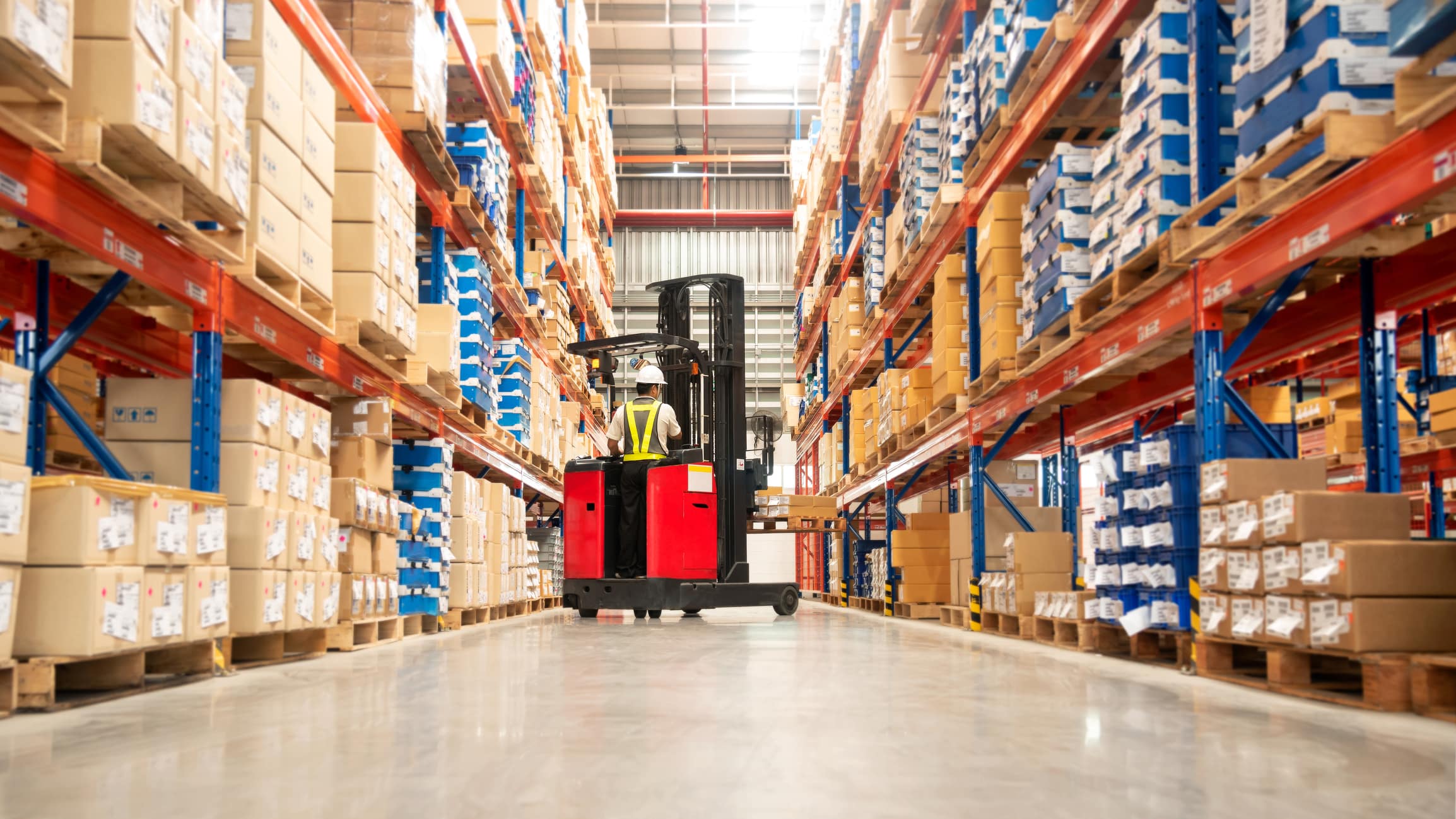
Equally important is warehousing, which plays a vital role in the modern supply chain. The UAE provides state-of-the-art storage facilities, including bonded warehouses, temperature-controlled zones, and automated inventory systems.
Many logistics firms in Dubai and Abu Dhabi offer end-to-end supply chain management, covering packaging, labeling, distribution, and last-mile delivery. This integrated approach helps businesses reduce operational costs and maintain supply consistency.
9. Sustainability and Green Logistics
In recent years, sustainability has become a major focus in the UAE’s logistics industry. Ports and airports are now investing in renewable energy, electric vehicles, and eco-friendly packaging. Additionally, many cargo companies are adopting carbon-neutral operations by optimizing routes and reducing emissions.
Aligned with the UAE’s Vision 2030, the goal is to achieve a greener, more efficient logistics network that supports sustainable global trade.
10. Choosing the Right International Cargo Partner
When it comes to selecting a cargo company in the UAE, businesses should evaluate several factors such as:
-
Global network reach and experience
-
Real-time tracking and digital systems
-
Competitive pricing and transparency
-
Compliance with international regulations
-
Strong customer support
Leading logistics providers in the UAE offer tailored shipping solutions for every business, whether small or large, ensuring cost-effective and reliable delivery.
11. The Future of International Cargo in the UAE
Looking ahead, the future of cargo in the UAE appears more innovative than ever. Technologies like blockchain, AI, and automation are revolutionizing how cargo is tracked and managed. With ongoing projects such as the Etihad Rail Network and new logistics free zones, the UAE is set to reinforce its global leadership in the shipping industry.
In conclusion, the UAE continues to connect the world through seamless, efficient, and sustainable logistics. By combining world-class infrastructure with smart innovation, the country ensures that international trade flows faster, smarter, and greener than ever before.