
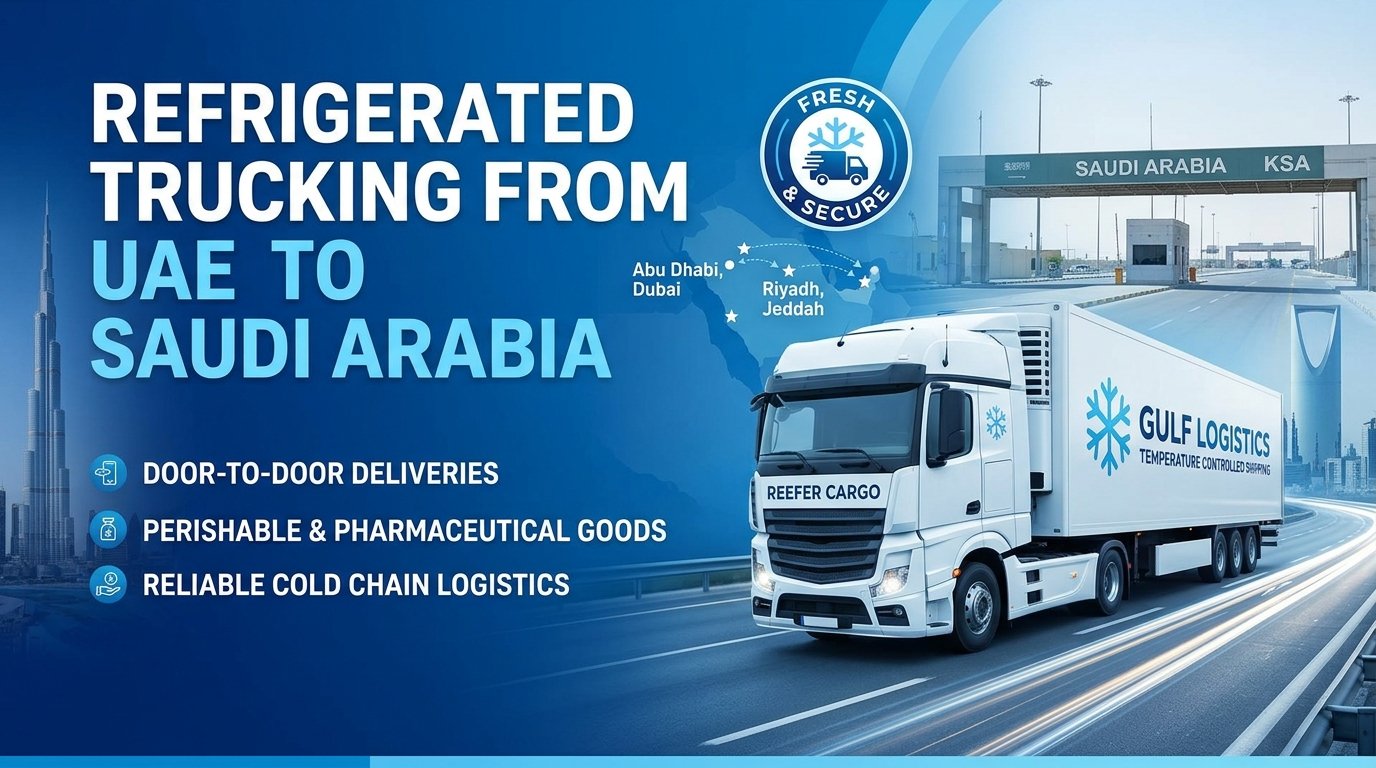
Reliable Cold Chain Transportation
UAE to Saudi temperature control shipping is an essential logistics solution for businesses transporting perishable goods, frozen food, fresh produce, pharmaceuticals, and other temperature-sensitive products across the Middle East. Maintaining the correct temperature throughout transportation helps protect product quality, reduce spoilage, and ensure goods reach their destination in excellent condition.
With growing trade between the United Arab Emirates and Saudi Arabia, businesses need reliable temperature-controlled shipping services that can handle long-distance transportation, cross-border customs procedures, and challenging weather conditions.
Whether you are a food distributor, supermarket supplier, pharmaceutical company, or wholesale business, choosing the right cold chain transportation solution can improve your supply chain and protect your valuable shipments.
This guide explains how temperature-controlled shipping works between the UAE and Saudi Arabia, its benefits, transportation options, and the important factors to consider when choosing a logistics provider.
What Is UAE to Saudi Temperature Control Shipping?
UAE to Saudi temperature control shipping refers to transporting goods between the United Arab Emirates and Saudi Arabia using specialized vehicles and equipment designed to maintain specific temperature conditions.
Unlike standard cargo transportation, temperature-controlled shipping uses refrigerated trucks, insulated containers, and monitoring systems to protect products from excessive heat, freezing, and temperature fluctuations.
This service is particularly important in the Gulf region, where high outdoor temperatures can affect sensitive products during transportation.
Common products transported include:
-
Fresh fruits and vegetables
-
Frozen meat, chicken, and seafood
-
Milk, cheese, yogurt, and other dairy products
-
Frozen food and ready-to-eat meals
-
Pharmaceuticals and medical supplies
-
Flowers and temperature-sensitive materials
-
Specialty food and beverage products
The required temperature depends on the type of product, its storage instructions, and applicable transportation standards.
Importance of Temperature-Controlled Shipping Between UAE and Saudi Arabia
Temperature control is essential when transporting goods across the UAE–Saudi border because products may be exposed to high outdoor temperatures, long-distance travel, and customs inspection delays.
Without proper temperature management, sensitive products can lose quality, become damaged, or become unsuitable for sale.
Here are the main reasons businesses choose temperature-controlled shipping:
-
Product protection: Maintains suitable storage conditions during transportation.
-
Food safety: Helps reduce the risk of spoilage and contamination.
-
Reduced financial losses: Protects valuable shipments from temperature-related damage.
-
Reliable deliveries: Supports better transportation planning and cargo handling.
-
Regulatory compliance: Helps businesses meet applicable product storage and transportation requirements.
Professional cold chain logistics are especially important for food and pharmaceutical shipments that require documented temperature control.
Chilled & Frozen Transport
+1
Types of Temperature-Controlled Shipping Services
Different products require different transportation conditions. Businesses should select a shipping solution based on the product’s storage requirements.
1. Chilled Transportation
Chilled shipping is suitable for products that must remain cool but should not be frozen.
Common products include:
-
Fresh fruits and vegetables
-
Dairy products
-
Fresh meat
-
Seafood
-
Certain beverages
2. Frozen Cargo Transportation
Frozen cargo requires specialized refrigerated vehicles capable of maintaining consistently low temperatures.
Common shipments include:
-
Frozen chicken and meat
-
Frozen seafood
-
Ice cream
-
Frozen vegetables
-
Ready-to-cook food products
3. Pharmaceutical Temperature-Controlled Shipping
Pharmaceutical products often require strict temperature management to maintain their quality and effectiveness.
Some products require temperatures between +2°C and +8°C, while others need controlled room temperatures between +15°C and +25°C.
Specialized packaging, calibrated monitoring equipment, and documented transportation procedures may be necessary.
4. Controlled Ambient Shipping
Some products do not require refrigeration but must be protected from excessive heat.
Controlled ambient shipping can be suitable for selected cosmetics, skincare products, personal-care items, and other heat-sensitive materials.
The appropriate temperature should always follow the manufacturer’s product specifications.
Temperature Requirements for Different Products
Choosing the correct temperature is one of the most important parts of cold chain transportation.
The following table provides general examples:
|
Product type |
Typical temperature |
|---|---|
|
Frozen meat and seafood |
-18°C or below |
|
Chilled dairy products |
0°C to +4°C |
|
Fresh produce |
Product-specific |
|
Certain pharmaceuticals |
+2°C to +8°C |
|
Controlled ambient products |
+15°C to +25°C |
These are general reference ranges, not universal requirements. Always follow product-specific storage instructions and applicable regulations.
Chilled & Frozen Transport
+2
Popular UAE to Saudi Temperature-Controlled Shipping Routes
Businesses can arrange refrigerated transportation from different UAE cities to major commercial destinations in Saudi Arabia.
Popular routes include:
-
Dubai to Riyadh
-
Dubai to Jeddah
-
Dubai to Dammam
-
Abu Dhabi to Riyadh
-
Sharjah to Jeddah
-
Ajman to Dammam
-
Abu Dhabi to Khobar
The transportation time depends on the destination, cargo type, border clearance, road conditions, and delivery arrangements.
The UAE–Saudi road freight corridor commonly uses the Al Ghuwaifat–Al Batha border crossing. Proper documentation and advance customs coordination can help reduce unnecessary delays.
UAE Chiller
+1
Important Features of Professional Temperature-Controlled Shipping
When selecting a shipping company, businesses should look for the following features.
Modern Refrigerated Trucks
Well-maintained reefer trucks help maintain consistent temperatures throughout the transportation journey.
Real-Time Temperature Monitoring
Digital monitoring systems and temperature data loggers help track cargo conditions and identify unexpected temperature changes.
Proper Insulation
Insulated cargo compartments reduce the effect of external heat and support refrigeration performance.
GPS Shipment Tracking
GPS tracking helps businesses monitor vehicle locations and receive shipment updates.
Professional Cargo Handling
Proper loading, unloading, and storage procedures help protect sensitive products.
Cross-Border Documentation Support
Experienced logistics providers can help coordinate customs documentation and product-specific requirements for Saudi imports.
Documents Required for UAE to Saudi Temperature-Controlled Shipping
Cross-border transportation requires appropriate export and import documentation.
Depending on the product, commonly required documents may include:
-
Commercial invoice
-
Packing list
-
Certificate of origin
-
UAE export customs declaration
-
Saudi import customs declaration
-
Health or veterinary certificates, where applicable
-
Halal certification for applicable products
-
Relevant SFDA registrations, permits, or approvals
-
Temperature specifications and monitoring records
Requirements vary according to the shipment and product category. Businesses should confirm the latest requirements with the Saudi importer, customs broker, and relevant authorities before dispatch.
Chilled & Frozen Transport
+1
How to Choose the Right Temperature-Controlled Shipping Company
Choosing an experienced logistics provider can make a significant difference to shipment safety and delivery performance.
Consider these factors before selecting a shipping company:
-
Fleet quality: Check whether the company operates suitable refrigerated vehicles.
-
Temperature monitoring: Confirm the availability of reliable temperature monitoring systems.
-
Cross-border experience: Choose a provider familiar with UAE–Saudi transportation procedures.
-
Delivery schedules: Ask about estimated delivery times and route planning.
-
Cargo protection: Ensure proper loading, insulation, and handling procedures.
-
Transparent pricing: Request a detailed quotation with transportation and additional charges clearly explained.
-
Customer support: Choose a provider that offers shipment updates and communication throughout transit.
Tips for Safe UAE to Saudi Temperature-Controlled Shipping
Businesses can improve cargo safety by following these practical recommendations:
-
Pre-cool the refrigerated vehicle before loading.
-
Check product temperatures before dispatch.
-
Use suitable packaging and insulation.
-
Avoid overloading refrigerated vehicles.
-
Maintain proper airflow around cargo.
-
Keep refrigerated equipment operating during border delays.
-
Use temperature data loggers where required.
-
Prepare customs documents before transportation.
-
Coordinate delivery with the receiving warehouse.
Following these practices helps maintain cold chain integrity and reduces the risk of product damage.
Conclusion
UAE to Saudi temperature control shipping is an important service for businesses transporting food, pharmaceuticals, cosmetics, fresh produce, and other temperature-sensitive products across the GCC region. Using suitable refrigerated vehicles, professional cargo handling, reliable temperature monitoring, and proper customs documentation helps protect shipments throughout the transportation journey.
Whether you need chilled, frozen, or controlled ambient transportation, choosing the right logistics solution can improve delivery efficiency, reduce product losses, and maintain customer satisfaction.

